
Butterfly Roof Inspection in Croydon – Moss Build-Up, Leaf Debris & Early Ponding Detected
We carried out an aerial roof inspection for a property owner in Croydon who wanted a clear, safe overview of his building’s condition.
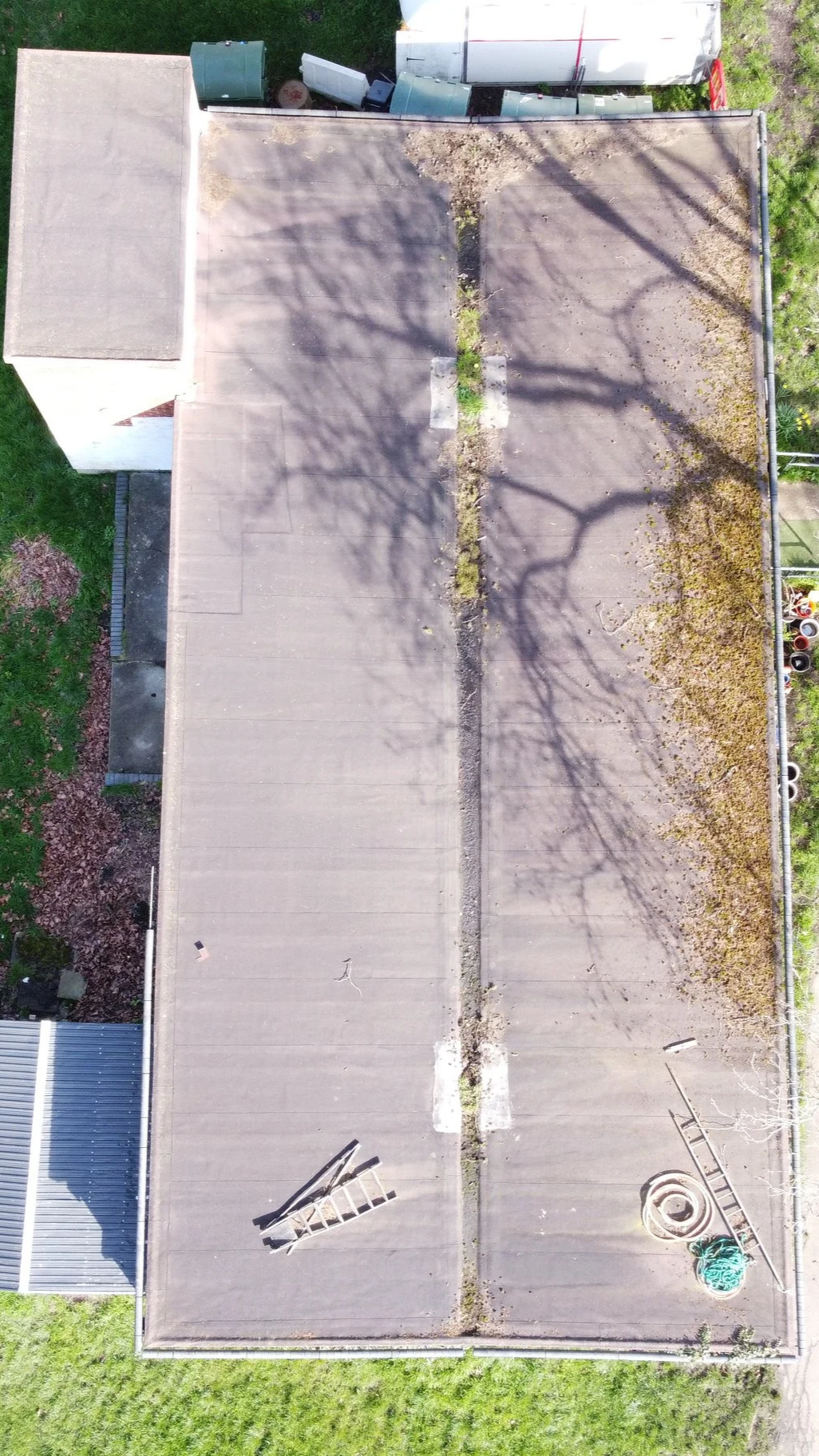
We conducted an aerial roof inspection for a client in Croydon who wanted a clear assessment of his property’s roof condition.
What We Identified
Using high-resolution aerial imaging, we documented the following:
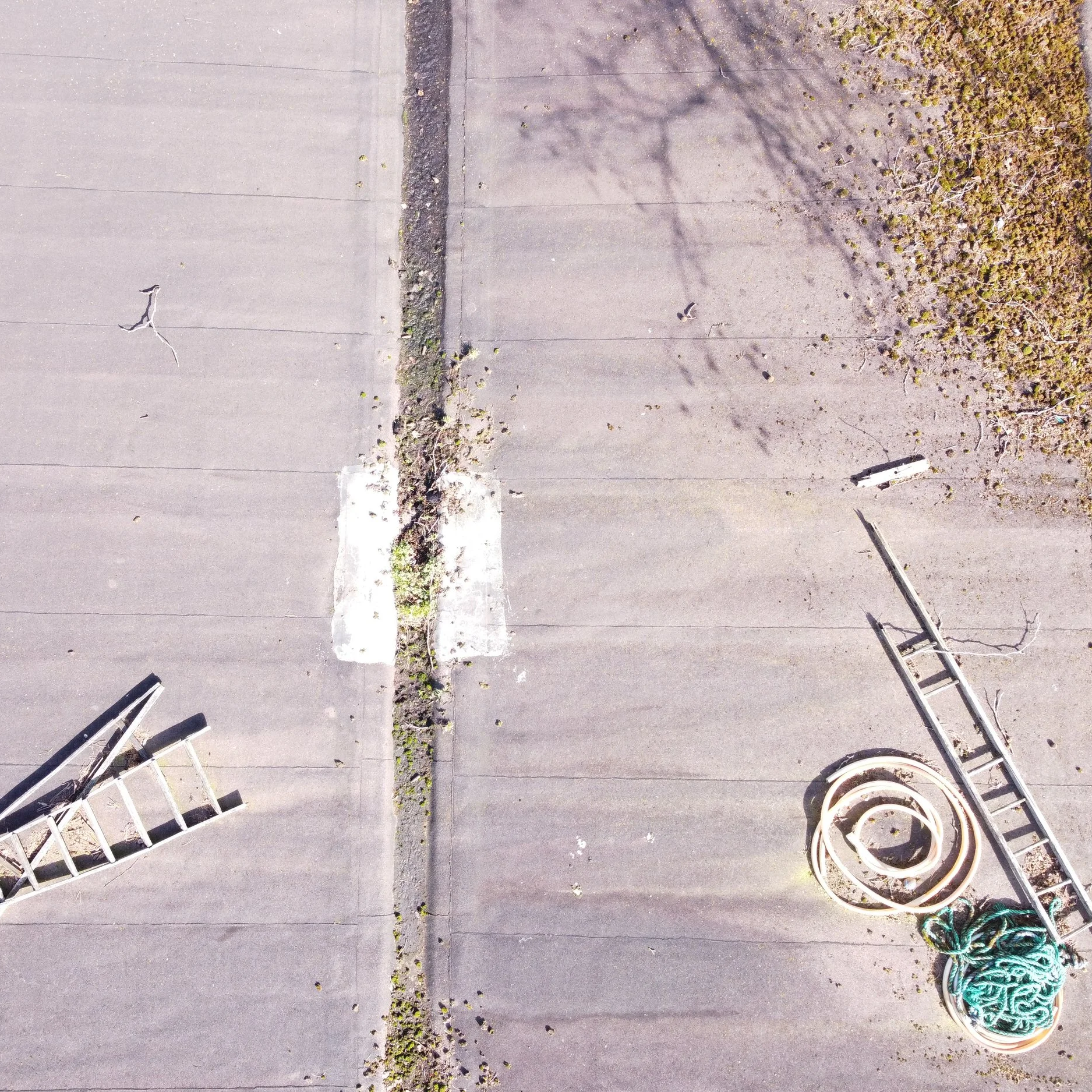
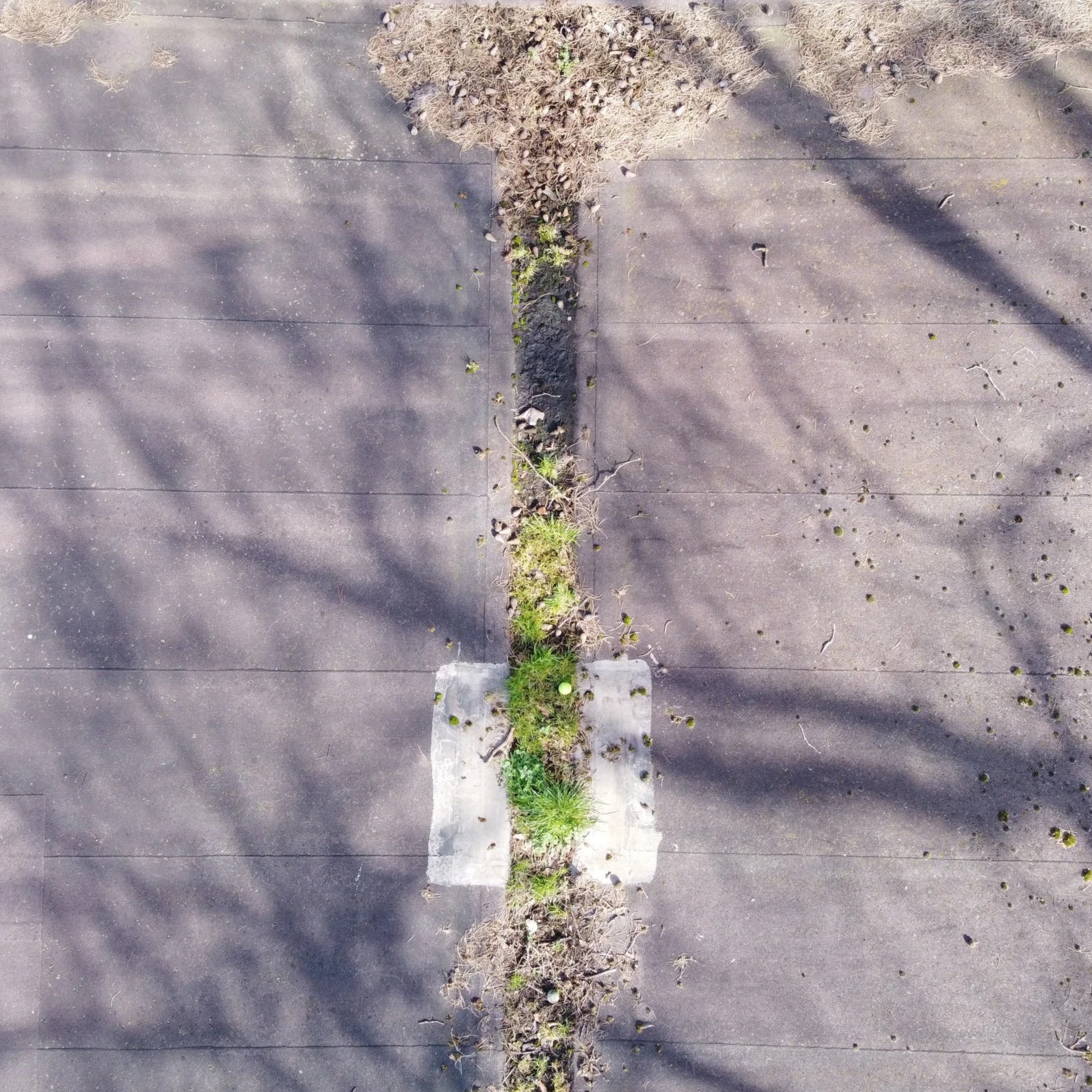
Moss build-up along the central valley
Accumulation of dry leaves and organic debris
Visible signs of minor water ponding
These issues are particularly common in butterfly roofs due to the way water collects centrally rather than dispersing outward.
Why Butterfly Roofs Require Proactive Maintenance
Unlike traditional pitched roofs that shed water to external gutters, butterfly roofs rely heavily on:
Clear central drainage channels
Functional downpipes
Regular debris removal
When moss and leaves accumulate:
Water flow slows
Drainage outlets can become partially blocked
Ponding increases structural stress
Waterproof membranes remain saturated for longer periods
Even small areas of standing water, if persistent, can accelerate wear and increase the likelihood of leaks.
Early identification is key.
What We Recommended
Following today’s inspection, we advised:
Professional removal of moss and leaf debris
Clearing and testing of central drainage outlets
Monitoring ponding after heavy rainfall
Routine seasonal inspections to prevent recurrence
Preventative maintenance is significantly more cost-effective than reactive repairs.
Why This Matters for Property Owners
Roofs often go unchecked for years simply because access is inconvenient or costly. By the time a leak appears internally, damage has already progressed.
Aerial inspections allow property owners to:
Make informed maintenance decisions
Avoid unnecessary full roof replacements
Provide documentation for insurance or contractors
Protect long-term structural integrity
